

Summary:
A chiropractic adjustment is typically a brief, controlled procedure that may involve pressure, stretching, movement, or a popping sensation rather than sharp pain. Knowing what happens before, during, and after an adjustment, and understanding what symptoms to report, can make a first chiropractic visit feel more predictable and comfortable.
Key Takeaways:
- Most chiropractic adjustments are brief and use controlled, targeted movement rather than forceful or painful motion.
- Before an adjustment, the chiropractor may review your health history and perform physical or other evaluations to determine appropriate care.
- Mild soreness, stiffness, fatigue, or headache can occur temporarily after an adjustment, although not everyone experiences these effects.
- A popping sound is not required for an adjustment to take place or indicate that it was successful.
- Sharing relevant health conditions, medications, previous injuries, and unusual symptoms with your chiropractor helps inform the care decision.
For many people, a chiropractic adjustment does not cause significant pain. You may feel pressure, stretching, or a quick release as the chiropractor works on a specific area, but the adjustment itself is usually brief and controlled. Many patients are surprised by how different the experience feels compared with what they expected.
So, why are people so nervous before their first visit? A lot of it comes from what chiropractic care looks and sounds like from the outside. Without context, these moments can make an adjustment seem far more intense than it is.
Before you talk yourself out of getting help, let’s go over what an adjustment feels like, whether you’ll be sore afterward, and what your very first visit really looks like.
Does Getting Adjusted Hurt?
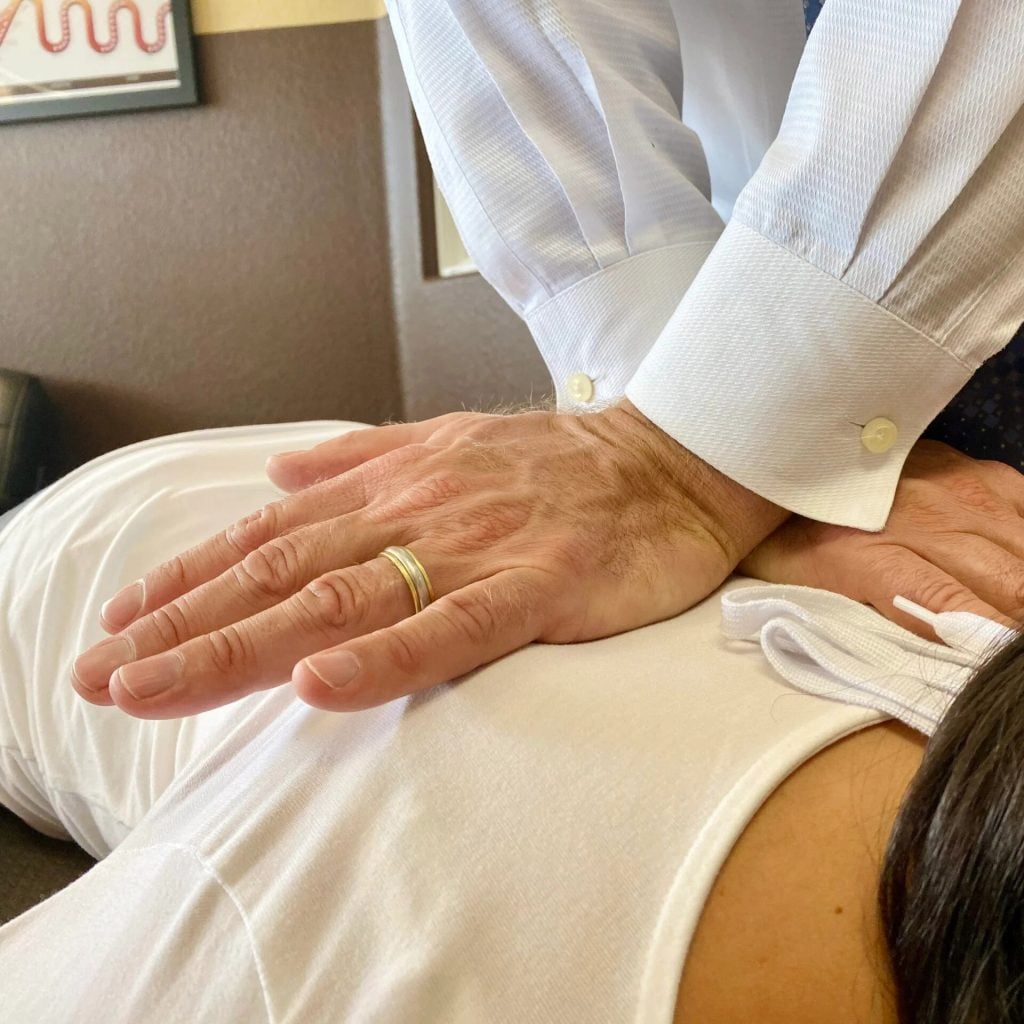
Most chiropractic adjustments are brief and use a controlled amount of force directed at a specific area of the spine. They are not supposed to feel like someone is pushing as hard as possible or forcing your body through a painful movement.
A better description is a gentle, precise, specific spinal adjustment, usually performed by hand, that is intended to improve spinal joint motion and function.
You may feel pressure as the chiropractor positions you or notice a quick stretch or movement when the adjustment happens. If the surrounding muscles are already tight or an area is irritated, there may be a moment of sensitivity.
Pain is different for everybody. Sharp, severe, or unexpected pain is something you should tell your chiropractor about right away rather than assuming you are supposed to tolerate it.
Every person also arrives with a different starting point. Someone who exercises regularly and moves comfortably may experience an adjustment differently from someone with significant stiffness, a past injury, or restricted movement.
What Happens Before Your First Chiropractic Adjustment?
The hands-on portion of chiropractic care tends to get most of the attention, but the evaluation beforehand is just as important.
Chiropractic First’s current first-visit process includes a consultation followed by orthopedic, neurological, postural, range-of-motion, and physical evaluations. We also use X-rays as needed to gather more information about the spine before making recommendations.
When your chiropractor can see what they’re working with, the adjustment can be gentler, more targeted, and appropriate to the findings. Instead of a one-size-fits-all shove, you’re getting a plan drawn around your real anatomy.
| How It Works: A first chiropractic visit generally starts with a conversation about your health history and concerns, followed by an examination. Depending on the findings, the chiropractor may determine whether additional information, such as X-rays, is appropriate before recommending care. |
What Does a Chiropractic Adjustment Feel Like?
Descriptions such as “cracking your back” give people the wrong picture.
An adjustment is targeted. The chiropractor positions your body and contacts a specific area before applying a controlled movement. The movement itself may happen quickly, but the setup around it is deliberate.
Depending on the area being adjusted, you might notice:
- Firm but controlled pressure
- A brief stretching sensation
- Movement in a stiff joint
- A quick release of tension
- A popping or clicking sound
- Mild sensitivity around an already sore area
You should still be able to communicate throughout the visit. If a position feels uncomfortable, say something. Good care does not depend on surprising the patient.
Why Does My Back Crack During an Adjustment?
It is not your bones cracking.
Your joints are wrapped in fluid that holds dissolved gases. When a joint moves and the space inside it shifts, those gases release quickly and make a pop or click.
You should remember:
- The pop is not a scoreboard. A silent adjustment can be every bit as effective as a loud one.
- No sound doesn’t mean nothing happened. Some techniques never pop at all and still restore proper motion.
| Did you know? The popping sound is associated with changes in pressure and dissolved gases within a joint rather than bones breaking or cracking. Similar joint sounds can occur outside chiropractic care, such as when someone cracks their knuckles. |
Can You Be Sore After a Chiropractic Adjustment?
Most people do not experience major problems after an adjustment, but mild chiropractic adjustment side effects can occur.
A 2026 systematic review examining adults aged 55 and older found that most reported treatment-related reactions were mild to moderate.
Reported reactions included soreness, stiffness, fatigue, headache, dizziness, and lightheadedness. Many people say they feel like the day after an intense workout.
However, not everyone should expect soreness after an adjustment.
Some people have none. Others may feel mildly achy later that day or the next morning. Your starting condition, the area being adjusted, your general health, and the type of care provided can all affect your response.
If soreness is much stronger than expected, keeps getting worse, or does not settle, contact the office rather than guessing about it.
What If You Are Not in Pain Before the Appointment?
You do not necessarily need an active pain complaint to discuss your spinal health with a chiropractor.
Someone who spends eight hours a day at a desk may be more interested in posture and mobility. An athlete may care about unrestricted movement. Another person may simply want to know whether there are structural or movement findings worth discussing.
The conversation does not have to begin and end with, “Does your back hurt?” It can also cover how you move, what activities you do, where movement feels restricted, whether you have recurring areas of tension, what previous injuries you have had, and what you want to maintain as you get older.
| Reader scenario: If you feel generally healthy but notice that sitting, exercising, or certain movements have become less comfortable, an evaluation can provide an opportunity to discuss those observations with a healthcare professional rather than waiting for significant pain to deve |
Simple Ways to Feel Your Best Between Visits
A few small habits can help your body settle in after an appointment. Treat these as general support alongside whatever your own chiropractor recommends:
- Drink water. Hydration gives your muscles and tissues what they need to recover, so drink up as advised.
- Reach for ice or heat. Ice tends to calm down fresh inflammation, while heat helps loosen tight muscles. Your chiropractor can tell you which suits your situation.
- Take it easy for a bit. Give your tissues room to settle by dialing back strenuous activity right after an adjustment.
- Stay gently mobile. A short walk or some light stretching keeps everything limber; just hold off on heavy lifting and hard training until your chiropractor clears you.
Not sure whether something you’re feeling is normal? Reach out to Chiropractic First with any questions about soreness, activity, or sensations between visits.
What Should You Tell Your Chiropractor Before an Adjustment?
More information generally makes for a better conversation.
Tell the chiropractor if you are taking medications, have undergone surgery, have recently been injured, are pregnant, or have been diagnosed with a bone, nerve, vascular, or spinal condition.
You should also mention symptoms such as:
- New numbness or weakness
- Loss of coordination
- Severe or unusual headaches
- Significant dizziness
- Changes in vision or speech
- Pain following a major fall or injury
- Symptoms that have changed quickly
Sometimes the right next step is an adjustment. Other times, more evaluation is needed first. The examination helps make this distinction.
What Happens After the Adjustment?
You usually will not need an elaborate recovery routine.
Pay attention to how your body feels. Normal daily movement may be comfortable, while strenuous exercise may depend on why you were seen and what care was provided.
Your chiropractor may also give you instructions based on your examination findings, activity level, or care plan.
Do not assume you need to spend the rest of the day lying down simply because you were adjusted. At the same time, the hour after your first visit probably is not the best moment to ignore new soreness and test your heaviest deadlift.
Follow the recommendations you were given and ask if you are unsure.
| In short: Most people do not need an elaborate recovery routine after an adjustment. Follow the individualized instructions you receive, pay attention to how you feel, and ask questions if something seems unusual. |
Corrective Care Is About More Than a Single Adjustment
One adjustment is an event. A corrective care plan is a process.
At Chiropractic First, the evaluation helps establish where you are starting. The doctor can then review the findings with you and explain why a particular recommendation is being made.
Rather than judging progress solely by whether something hurts less on a particular day, spinal corrective care can also look at changes connected with movement, physical findings, posture, function, and the goals established at the beginning of care.
Frequently Asked Questions
1. How long does a chiropractic adjustment take?
- The actual adjustment may take only seconds, although a complete appointment takes longer. First visits usually take more time because the chiropractor needs to review your history, complete the examination, discuss concerns, and decide what type of care is appropriate.
2. Can I ask the chiropractor not to adjust my neck?
- Yes. Tell your chiropractor about anything you are uncomfortable with before care begins. Chiropractic First’s first-visit information states that patients can raise concerns about different styles of treatment during the care process.
3. Will I always hear a popping sound?
- No. An adjustment can occur without a noticeable pop. The sound is related to changes within the joint during movement and is not a scorecard for how successful an adjustment was.
4. Is soreness the next day normal?
- Mild soreness or stiffness can happen after chiropractic care. Recent research has reported these among the more common mild-to-moderate reactions. Strong, worsening, or unusual symptoms deserve a call to your chiropractor.
5. Can I see a chiropractor if I feel healthy?
- You can schedule an evaluation even without an active pain complaint. Some patients are interested in mobility, posture, athletic performance, spinal function, or general wellness. The examination helps determine whether there are findings worth addressing rather than assuming treatment is needed simply because you booked an appointment.
Your First Adjustment Should Not Feel Like a Guess
Being nervous before a first chiropractic visit usually comes down to one thing: not knowing what is about to happen. If an adjustment is appropriate, it should be specific, controlled, and based on what the chiropractor found during the evaluation.
If you are considering chiropractic care in Campbell, CA, Chiropractic First can evaluate your spinal health, discuss what you want to improve or maintain, and walk you through what to expect before care begins.
Get in touch today to book an appointment and share any concerns with a friendly, local team.